Most workplace safety initiatives fail not from lack of rules—but from poor communication. A safety manual collecting dust on a shelf doesn’t prevent accidents. What does? Consistent, relevant, and engaging conversations. That’s where toolbox talks come in.
A toolbox talk is a short, focused safety meeting—usually 10 to 15 minutes—held at the job site before work begins. The best ones aren’t scripted lectures. They’re interactive, practical, and tailored to the day’s tasks. Choosing the right topics is the difference between a meeting that’s ignored and one that saves lives.
Here are the most effective toolbox talk topics, backed by real-world use and safety leadership experience.
Why Good Toolbox Talk Topics Matter
Poorly chosen topics lead to disengagement. Talking about fire extinguishers on a cold morning when crews are setting rebar? That’s a missed opportunity. Effective topics align with current work, site conditions, and crew roles.
Good topics do three things: - Address real hazards present today - Encourage participation, not passive listening - Reinforce safe behaviors through practical examples
When workers see the direct relevance—like how improper lifting technique affects them on that day’s task—they pay attention. That’s when behavior changes.
1. Hazard Recognition and Reporting
This is foundational. Workers need to know not just what hazards exist, but how to identify and report them.
Practical example: On a roofing job, team members spot a frayed electrical cord near a water puddle. Instead of ignoring it, they flag it during the toolbox talk. The issue gets resolved before work starts—preventing a potential electrocution.
Use case: Start the week with a “Walk and Talk” session. Lead a quick walkthrough of the site and ask the crew: What’s unsafe here? What would you fix first? This builds hazard awareness actively, not passively.
Common mistake: Assuming everyone knows what constitutes a hazard. Not all workers are trained to spot subtle risks, like trip hazards from temporary cables or pinch points in machinery.
Pro tip: Use photos from past incidents (anonymized) to illustrate near-misses. Visuals stick better than descriptions.
2. Fall Protection and Working at Heights
Falls are the leading cause of construction fatalities. Yet, fall protection talks often become rote checklists: “Wear your harness.” “Inspect your lanyard.” That’s not enough.
Realistic scenario: A crew is installing HVAC units on a flat roof. The edge isn’t guarded, and one worker steps too close while reaching for a tool. Without guardrails or a proper anchor point, a fall is seconds away.
Better approach: Focus on specific fall risks for the day’s task. Ask: - Where are the unprotected edges? - Is the anchor point rated and inspected? - Are workers using the right equipment for the job (e.g., leading edge vs. standard lanyard)?
Limitation to address: Some workers resist fall protection because it feels restrictive. Use the talk to discuss mobility and safety—show how proper gear doesn’t slow you down when used correctly.
3. Electrical Safety on the Job Site
Electrical hazards aren’t just for electricians. Plumbers, laborers, and equipment operators all interact with electrical systems.
Practical example: A backhoe operator digs near unmarked underground lines. The bucket hits a cable, energizing the machine. Ground potential rise can kill even without direct contact.

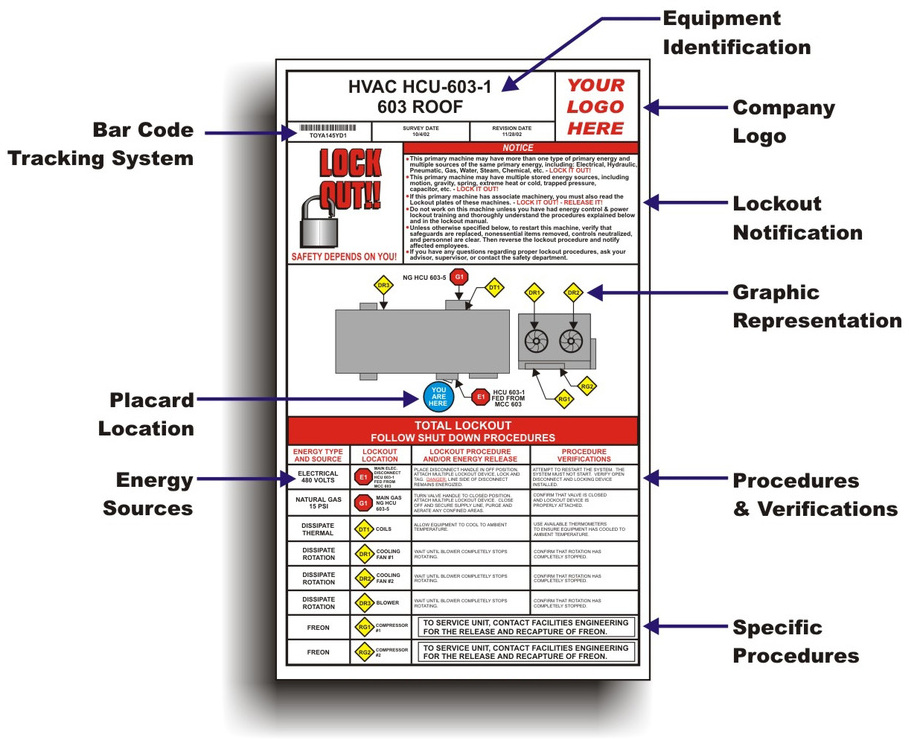
Use case: Before any excavation, hold a talk on “Call Before You Dig,” lockout/tagout (LOTO) procedures, and recognizing overhead line dangers.
Key talking points: - Assume all lines are live - Maintain safe distances (10 feet for overhead lines) - Verify LOTO during equipment maintenance
Common mistake: Using damaged extension cords or daisy-chaining power strips. Show examples of faulty cords and explain how minor damage can lead to arc flashes or fires.
4. Manual Handling and Safe Lifting Techniques
Back injuries are among the most common—and preventable—workplace injuries.
Realistic scenario: A crew is moving 50-pound bags of mortar all morning. One worker bends at the waist repeatedly. By lunch, he’s in pain. By week’s end, he’s on light duty.
Better toolbox talk: Demonstrate proper lifting: feet shoulder-width, back straight, lift with legs. But go further—ask: Can we use a dolly? Can we team-lift? Can we reorganize the layout to reduce carries?
Workflow tip: Introduce the “25-pound rule.” If it’s over 25 lbs, consider mechanical aid or two-person lift—regardless of how “strong” a worker is.
Limitation: Some jobs don’t allow perfect form. In tight spaces, bending is unavoidable. Talk about minimizing strain—using knee pads, rotating tasks, and taking micro-breaks.
5. Personal Protective Equipment (PPE) Fit and Function
Wearing PPE isn’t enough. It has to be worn correctly and be appropriate for the task.
Example: A welder wears safety glasses—but not a face shield. Sparks hit his face. Goggles with side shields wouldn’t have helped either.
Effective discussion: Review the PPE required for today’s work. Ask: - Is it in good condition? - Does it fit properly? (e.g., loose hard hats won’t protect) - Is it the right type? (cut-resistant gloves vs. chemical-resistant)
Common mistake: Using expired or damaged PPE. Hard hats degrade in sunlight. Respirator seals fail over time. Make inspection part of the routine.
Pro insight: Comfort affects compliance. If gloves are too bulky, workers remove them. Talk about finding PPE that protects and allows dexterity.
6. Hot Work and Fire Prevention
Welding, cutting, grinding—these create sparks that can ignite nearby materials in seconds.
Use case: A welder starts work near stacked lumber. No fire watch, no extinguisher nearby. A spark lands in sawdust. Fire spreads in under a minute.
Critical talk points: - Clear combustibles within 35 feet - Assign a fire watch for at least 30 minutes post-work - Check for hidden fires in walls or floors
Checklist to share: - Permits obtained? - Extinguisher on site and charged? - Fire watch assigned? - Area monitored after work?
This isn’t just for welders. Grinders, torches, and even friction from machinery can start fires.
7. Equipment and Tool Safety
Every tool, from a hammer to a skid steer, carries risks.
Practical example: A worker uses a circular saw without a blade guard. Kickback occurs. Hand injury follows.
Talk focus: Inspect tools before use. Missing guards, frayed cords, or loose handles should stop work.
Key questions to ask the crew: - Did you inspect your tool today? - Are you trained on this equipment? - Is the guard in place and functional?
Mistake to address: “Borrowing” tools without training. Just because someone knows a saw doesn’t mean they know this saw.

Workflow tip: Assign tool inspections to team leads. Make it part of the pre-shift routine.
8. Communication and Situational Awareness Miscommunication causes accidents—especially around heavy equipment or high-noise areas.
Scenario: An operator can’t see a worker behind a loader. The worker assumes the operator sees them. Backover incident occurs.
Talk strategy: Discuss hand signals, radios, spotters, and visual checks. Emphasize: Never assume they see you.
Use case: On noisy sites, review standardized hand signals. Do a quick drill: ask one worker to signal “stop” or “move left” and confirm understanding.
Pro insight: Situational awareness includes fatigue and distraction. Ask: Are you focused? Is someone tired or rushing?
9. Weather-Related Hazards Heat, cold, rain, wind—weather changes the risk profile of any job.
Example: Working in 95°F heat without hydration breaks. Heat exhaustion sets in. Worker collapses.
Toolbox talk focus: - Heat: hydration, rest breaks, shade - Cold: layering, frostbite signs, wind chill - Rain: slip hazards, electrical risks - Wind: securing materials, crane operations
Realistic tip: Start the day by checking the forecast. Adjust work plans—e.g., schedule heavy lifting for cooler hours.
Common oversight: Acclimatization. New workers or seasonal hires aren’t used to extreme temps. Build in gradual exposure.
10. Near Miss Reporting and Safety Culture
The best safety tool isn’t a harness or helmet—it’s a culture where people speak up.
Example: A worker almost trips over a cable but says nothing. Next week, someone else falls and gets hurt.
Talk goal: Normalize reporting near misses without blame. Ask: What almost went wrong yesterday?
Limitation: Workers fear consequences. Address it directly: “This isn’t about punishment. It’s about prevention.”
Pro move: Share a near miss from another site (anonymized). Show how reporting led to a fix that protected others.
Choosing the right toolbox talk topics isn’t about variety—it’s about relevance. The most effective talks connect directly to the crew’s daily reality. They’re short, actionable, and invite input.
Don’t rotate topics on a rigid schedule. Rotate based on work, weather, and risk. Use yesterday’s near miss, today’s task, and tomorrow’s forecast to guide your choice.
Run your next toolbox talk like a conversation, not a compliance checkbox. Ask questions. Listen. Adapt. That’s how safety becomes second nature.
Take action today: Review the week’s tasks. Identify the top 3 risks. Build your next three toolbox talks around them. Use real examples. Involve the crew. Measure engagement by participation—not attendance.
What are the most common toolbox talk topics? Fall protection, PPE, hazard reporting, electrical safety, and manual handling are consistently top topics due to high incident rates.
How long should a toolbox talk last? Aim for 10–15 minutes. Long enough to cover the topic, short enough to hold attention.
Who should lead a toolbox talk? Supervisors, foremen, or safety officers—but the best talks include input from all team members.
Can toolbox talks reduce accidents? Yes. Studies show regular, relevant safety talks reduce incident rates by improving awareness and reinforcing safe behaviors.
Should toolbox talks be documented? Yes. Keep brief records—topic, date, attendees, key points. It supports accountability and tracking.
How often should toolbox talks be held? At least weekly, or daily on high-risk jobs. Frequency should match risk level and work changes.
What makes a toolbox talk effective? Relevance, interaction, clarity, and follow-up. If workers can apply it today, it’s working.
FAQ
What should you look for in Essential Toolbox Talk Topics for Safer Work Sites? Focus on relevance, practical value, and how well the solution matches real user intent.
Is Essential Toolbox Talk Topics for Safer Work Sites suitable for beginners? That depends on the workflow, but a clear step-by-step approach usually makes it easier to start.
How do you compare options around Essential Toolbox Talk Topics for Safer Work Sites? Compare features, trust signals, limitations, pricing, and ease of implementation.
What mistakes should you avoid? Avoid generic choices, weak validation, and decisions based only on marketing claims.
What is the next best step? Shortlist the most relevant options, validate them quickly, and refine from real-world results.