Rakesh Bedi doesn’t mince words when asked about the actor from Sholay who left the deepest impression on him. It wasn’t the charm of Dharmendra, the intensity of Amjad Khan, or even the rustic flair of Jagdeep. For Bedi, the answer is singular, unwavering: Amitabh Bachchan.
Not merely an icon, Bachchan represents something far more profound in Bedi’s eyes—a masterclass in restraint, timing, and emotional precision. In interviews, Bedi has repeatedly referred to Bachchan not just as a peer, but as his guru, a guiding force whose approach to acting redefined what Bedi believed was possible on screen.
This isn’t just fan admiration. It’s the reflection of an artist who studied craft in real time, learning from someone operating on a different wavelength.
The Moment That Changed Rakesh Bedi’s Perspective For Bedi, the turning point came during the filming of a quiet scene in Sholay—not one of the big confrontations, but a moment of stillness between Jai and Veeru on the porch of their shack in Ramgarh. It was a scene with no dialogue, only glances, cigarette smoke, and the weight of unspoken loyalty.
“I was observing from the sidelines,” Bedi recalled in a 2022 conversation. “Amitabh didn’t move much. He didn’t need to. The way he held his cigarette, the slight shift in his shoulders when Dharmendra laughed—that told the entire story of a man holding grief at bay.”
That minimalism struck Bedi like lightning.
At the time, Bedi was known for his comedic timing, often playing loud, energetic roles in parallel cinema and theater. But watching Bachchan command silence, he realized acting wasn’t about filling space—it was about controlling it.
That scene, brief as it was, became a cornerstone in Bedi’s evolution as a performer.
Why Amitabh Bachchan Stands Above the Rest for Bedi
Bedi doesn’t claim Bachchan is the greatest because of fame or box office numbers. His reverence is rooted in technique—specifically, Bachchan’s mastery of subtext.
In Sholay, Jai is a man defined by loss. His backstory—killed parents, a sister-in-law he protects, a fatalism etched into his bones—is never over-explained. Bachchan conveys it all through micro-expressions: a delayed blink, a pause before a smile, the way he avoids looking directly at Basanti.
Bedi studied these choices like a scholar.
“He taught me that an actor doesn’t need to say he’s sad,” Bedi explained. “He needs to let the audience discover it.”
This philosophy filtered into Bedi’s own performances. Whether playing the fussy neighbor in Sparsh or the anxious father in Jaane Bhi Do Yaaro, his characters began carrying more interiority—less broad strokes, more quiet tension.
It wasn’t mimicry. It was assimilation.
The Guru-Shishya Dynamic in Indian Cinema

The idea of a guru in Indian cinema isn’t limited to formal training. Often, it’s about influence—artists who, through their presence and practice, elevate those around them.
For Rakesh Bedi, Amitabh Bachchan embodied that role without ever giving a lecture or offering direct advice. His mentorship was implicit, absorbed through observation.
Bedi often speaks of Bachchan’s discipline on set—how he’d arrive early, rehearse silently, and maintain emotional continuity across takes. While others might break character between shots, Bachchan stayed immersed.
“I learned more from watching him wait than from any acting workshop,” Bedi said.
This form of informal mentorship is common in Indian film, especially from the 1970s onward, when ensemble casts allowed younger actors to learn from veterans in real time. But Bedi is rare in naming Bachchan so explicitly as his guiding light.
Others respected him. Bedi studied him.
Dhurandhar: A Role That Reflects a Lifetime of Learning
Bedi’s role as Dhurandhar, the wily, verbose storyteller in Jaane Bhi Do Yaaro, is often seen as comic relief. But beneath the bluster, there’s a sharpness—a man who understands the power of narrative, timing, and control.
It’s a performance that echoes Bachchan’s own command of presence.
Dhurandhar doesn’t dominate scenes with volume; he controls them with rhythm. His monologues build like suspense sequences. His pauses are strategic. His confusion is performative, not genuine.
This is where Bedi’s study of Bachchan surfaces—not in imitation, but in application.
Consider the scene where Dhurandhar recounts the Mahabharata in a single breath. It’s chaotic, hilarious, but also perfectly structured. Bedi doesn’t rush. He paces the delivery, letting punchlines land through hesitation, not exaggeration.
That’s classic Bachchan technique—using stillness to amplify chaos.
Acting Beyond the Spotlight: Lessons from Bachchan’s Shadow
One of the most telling aspects of Bedi’s admiration is what he didn’t copy.
He didn’t adopt the baritone, the stern gaze, or the tragic-hero persona. Instead, he extracted principles: economy of movement, emotional credibility, and the power of silence.
This is where many aspiring actors falter—they mimic the surface, not the system.
Bedi avoided that trap. He recognized that Bachchan’s greatness wasn’t in how he looked or spoke, but in how he thought.
For instance, Bachchan often spoke of “truth in the moment”—the idea that an actor must believe in the reality of the scene, regardless of genre. Bedi internalized this. Even in farcical situations, his characters feel grounded, as if they could exist outside the frame.
That authenticity is why Bedi’s work resonates decades later.
Why This Matters for Modern Performers
Today’s actors have access to reels, workshops, and method training. But few have the opportunity to learn beside a legend on set.
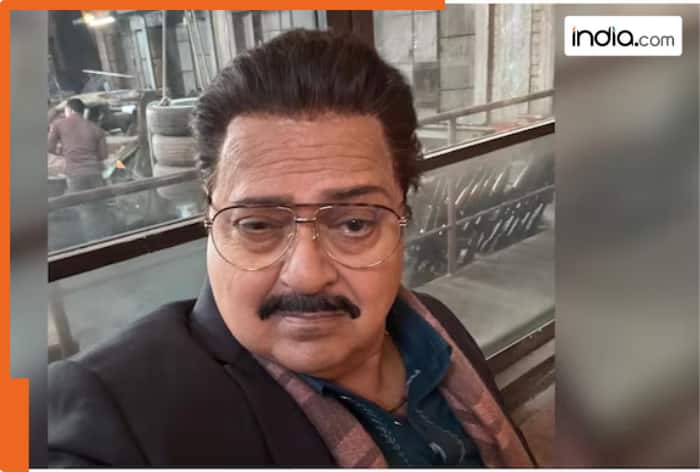
Bedi’s experience offers a blueprint: how to learn from greatness without being overshadowed.
His approach—watching, analyzing, and adapting—remains relevant.
Modern performers can apply the same mindset:
- Study actors not just for what they do, but how they do it.
- Pay attention to stillness, not just action.
- Separate persona from process—Amitabh’s voice isn’t replicable, but his discipline is.
Bedi didn’t become a superstar. But he became a more complete actor because he refused to see Bachchan as untouchable. He saw him as a teacher.
The Legacy of Quiet Influence
Sholay turned 50, and retrospectives have focused on Gabbar, Jai, and Veeru. But for Rakesh Bedi, the film’s most enduring lesson came from how one actor carried himself in the margins.
It wasn’t about screen time. It was about substance.
When Bedi calls Bachchan the greatest—and his guru—he’s not chasing clout. He’s honoring a standard.
One that values depth over display, precision over projection.
In an industry obsessed with viral moments and instant fame, Bedi’s tribute is a quiet rebellion. A reminder that greatness isn’t always loud. Sometimes, it’s the man smoking a cigarette in silence, teaching an entire generation how to act without saying a word.
Act with intention. Learn from masters, but find your voice. That’s the real lesson from Bedi—and Bachchan.
FAQ
Why does Rakesh Bedi consider Amitabh Bachchan his guru? Bedi credits Bachchan’s subtle, disciplined approach to acting as transformative. He learned the value of restraint, emotional truth, and presence through observing Bachchan on the sets of films like Sholay.
Did Rakesh Bedi work directly with Amitabh Bachchan in Sholay? No, Bedi did not appear in Sholay. His admiration stems from later collaborations and industry interactions where he observed Bachchan’s craft firsthand.
What makes Amitabh Bachchan’s acting style unique according to Bedi? Bedi emphasizes Bachchan’s mastery of subtext—his ability to convey deep emotion through minimal gestures, pauses, and controlled expressions, rather than overt drama.
How did Bachchan influence Bedi’s role as Dhurandhar? While Dhurandhar is comedic, Bedi applied Bachchan’s principles of timing and internal truth, ensuring the character felt real and rhythmically precise, even in absurd situations.
Is Rakesh Bedi related to any other film personalities? No, Rakesh Bedi is not related to other major film families. He built his career independently through theater and parallel cinema before gaining mainstream recognition.
What other actors influenced Rakesh Bedi’s career? While Bedi has praised several actors, including Naseeruddin Shah and Om Puri, he reserves a unique respect for Bachchan, calling him the most impactful in shaping his artistic philosophy.
Where can I watch interviews where Bedi discusses Bachchan? Key discussions appear in documentaries like The Last Film Show, episodes of Rendezvous with Simi Garewal, and special features on NFDC and Doordarshan archives.
What mistakes should you avoid? Avoid generic choices, weak validation, and decisions based only on marketing claims.
What is the next best step? Shortlist the most relevant options, validate them quickly, and refine from real-world results.